Signs Your Septic System Needs Immediate Attention

A septic system is one of the most critical components of a property that relies on self-contained wastewater management. It is designed to safely treat household or commercial wastewater, protecting both the property and the surrounding environment. When functioning properly, a septic system operates quietly in the background, requiring minimal attention from homeowners. However, because these systems are underground and out of sight, many people do not realize there is a problem until significant damage has occurred. Recognizing early warning signs and taking prompt action is essential to avoid costly repairs, system failure, and potential health hazards. Reach out to The Septic Guys for expert assistance.

septic

Understanding the Importance of Septic System Health

A septic system typically consists of a tank, a drain field, and soil that facilitates natural filtration of effluent. Wastewater enters the tank, where solids settle into sludge, oils and grease form a scum layer, and the liquid effluent flows into the drain field. Proper functioning depends on the balance of these components and the maintenance of natural bacterial activity within the tank.

Neglecting routine maintenance or failing to address early signs of trouble can lead to serious issues. Overflowing tanks, clogged pipes, and saturated drain fields can contaminate soil and groundwater, spread harmful bacteria, and create foul odors. Beyond environmental and health concerns, septic system failure often results in expensive repairs or even the need for complete replacement. Understanding how your system operates and recognizing the warning signs are key to preventing these problems.

Early Warning Signs That Indicate Trouble

Septic system issues rarely resolve themselves, and early detection is critical. Homeowners should be aware of specific signs that suggest the system requires immediate attention.

1. Slow Draining Fixtures

One of the most common indicators of a septic problem is slow drainage in sinks, showers, and bathtubs. When wastewater does not flow efficiently, it may indicate a partial blockage in the tank, pipes, or drain field. Over time, slow drainage can worsen, eventually leading to complete backups if not addressed promptly.

2. Sewage Backups

A more severe warning sign is a sewage backup, which occurs when wastewater flows back into the home. This often results from a full tank, blocked pipe, or malfunctioning drain field. Sewage backups can cause significant property damage and pose health risks due to the exposure to harmful pathogens. Immediate professional intervention is required to prevent contamination and further structural damage.

3. Foul Odors Around the Property

Unpleasant smells near the septic tank, drain field, or even inside the home are strong indicators of system problems. Foul odors often signal that effluent is surfacing rather than being properly absorbed by the soil. Ignoring these odors can lead to environmental contamination and a decline in air quality in and around the property.

4. Pooling Water or Lush Green Grass

Wet spots or unusually green patches of grass over the drain field may suggest that the effluent is not being properly absorbed by the soil. Excess water on the surface can damage landscaping, attract insects, and indicate that the drain field is saturated or failing. Homeowners should avoid heavy foot traffic or driving over these areas, as it can worsen compaction and system performance.

5. Gurgling Noises in Plumbing

Strange sounds such as gurgling in toilets or drains often indicate trapped air or blocked pipes within the septic system. While sometimes subtle, these noises should not be ignored. Persistent gurgling is a sign that wastewater is not flowing properly and that professional assessment is needed.

Causes Behind Septic System Failures

Several factors can contribute to septic system problems, and understanding these causes can help homeowners prevent issues before they become severe. Common causes include:

  1. Neglected Maintenance: Failure to pump the tank or perform routine inspections can result in sludge and scum accumulation, leading to blockages and backups.
  2. Excessive Water Use: Overloading the system with large volumes of water from laundry, showers, or irrigation can strain the tank and drain field.
  3. Improper Waste Disposal: Flushing non-biodegradable materials, grease, or harsh chemicals can disrupt the natural bacterial balance and clog the system.
  4. Aging Infrastructure: Older systems may experience pipe deterioration, tank cracks, or drain field failure over time, even with regular maintenance.
  5. Drain Field Compaction or Saturation: Heavy objects, vehicles, or poor surface drainage can damage the soil’s absorption capacity, reducing the effectiveness of effluent filtration.

Recognizing these risk factors allows homeowners to adopt preventive practices and schedule timely professional maintenance.

The Role of Professional Septic Services

When signs of septic system trouble are observed, it is critical to contact a professional septic service immediately. Professionals have the tools, expertise, and training necessary to assess system performance, identify hidden issues, and apply effective solutions.

Key benefits of professional intervention include:

  • Accurate Diagnosis: Technicians can identify the root cause of slow drainage, odors, backups, or wet areas, rather than treating symptoms alone.
  • Safe Handling of Wastewater: Septic systems contain harmful bacteria and pathogens; professionals follow strict safety protocols to protect both themselves and homeowners.
  • Long-Term Solutions: Professionals provide repair, pumping, or drain field restoration services that restore system efficiency and prevent recurring problems.
  • Emergency Response: Quick action in cases of severe backup or failure prevents further property damage and environmental contamination.

Engaging professional services as soon as warning signs appear ensures prompt resolution and minimizes risks.

Preventive Practices to Reduce Risk

In addition to professional care, homeowners can take preventive steps to protect their septic system and reduce the likelihood of emergencies.

  1. Regular Pumping: Most systems require pumping every three to five years, depending on household size and water usage. Timely pumping prevents excessive sludge and scum accumulation.
  2. Proper Waste Management: Avoid flushing non-biodegradable items, grease, or chemicals that can disrupt bacterial activity in the tank. Educate all household members about proper disposal practices.
  3. Water Conservation: Spread out laundry loads, fix leaks, and use water-saving appliances to prevent overloading the system.
  4. Drain Field Care: Keep vehicles, heavy objects, and deep-rooted plants off the drain field to prevent compaction and damage. Ensure proper surface drainage to avoid water pooling.
  5. Routine Inspections: Periodic inspections by professionals help detect minor problems before they escalate into emergencies.

By combining preventive measures with professional maintenance, homeowners can maximize the lifespan of their septic system and maintain reliable operation.

Consequences of Ignoring Warning Signs

Failure to address septic system problems promptly can have severe consequences. Common outcomes include:

  • Property Damage: Sewage backups can damage floors, walls, and personal belongings, resulting in costly repairs.
  • Health Hazards: Exposure to untreated wastewater introduces harmful bacteria, viruses, and pathogens, increasing the risk of illness.
  • Environmental Contamination: Overflowing effluent can pollute groundwater and nearby water sources, harming local ecosystems.
  • Expensive Repairs or Replacement: Minor issues left unresolved can escalate into major failures, requiring extensive repair or a complete system overhaul.

Recognizing warning signs early and acting promptly is the most effective way to avoid these negative outcomes.

Seasonal and Environmental Considerations

Septic system performance can be influenced by seasonal changes and environmental factors. Heavy rainfall can saturate the drain field, limiting soil absorption and causing surface pooling. Freezing temperatures can affect pipes and reduce bacterial activity, slowing the treatment process. Homeowners should consider seasonal maintenance measures, such as:

  • Monitoring Water Use: Avoid overloading the system during rainy seasons or snowmelt periods.
  • Winter Precautions: Insulate exposed pipes and maintain water flow to prevent freezing.
  • Seasonal Inspections: Schedule inspections during spring and fall to identify potential issues before extreme weather.

Being mindful of environmental factors helps maintain consistent performance and reduces the risk of seasonal failures.

A septic system is a vital component of any property that relies on self-contained wastewater management. Recognizing the signs that your system requires immediate attention is critical to preventing property damage, health hazards, and environmental contamination. Slow drains, foul odors, sewage backups, pooling water, and gurgling plumbing are all red flags that should prompt professional intervention.

Preventive measures, including regular pumping, proper waste disposal, water conservation, and drain field care, combined with professional maintenance and inspections, provide a comprehensive approach to septic system health. By staying vigilant, acting quickly when warning signs appear, and following best practices, homeowners can ensure their septic systems function efficiently and reliably for years to come.

Investing in proper care not only protects property value but also contributes to household safety, environmental stewardship, and long-term peace of mind. A well-maintained septic system is not just a convenience—it is an essential component of a safe, healthy, and sustainable home.
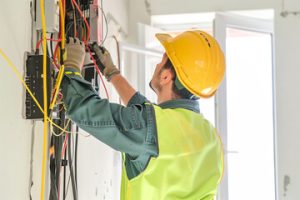
How Electrical Contractors Improve Energy Efficiency in Residential and Commercial Buildings

Energy efficiency has become a top priority for homeowners and business owners alike. Rising utility costs, environmental concerns, and the desire for sustainable operations have pushed property owners to seek smarter ways to manage electricity consumption. One of the most effective strategies to achieve this is through the expertise of professional Electrical Contractors Jacksonville NC. These trained specialists not only ensure that electrical systems are safe and compliant but also implement solutions that optimize energy use, reduce waste, and enhance overall system performance. Their role extends far beyond basic installation or repair; electrical contractors play a pivotal part in creating energy-efficient environments that benefit both residential and commercial properties.

electrical

In residential settings, energy efficiency often starts with proper system design and installation. Electrical contractors assess a home’s power needs and design circuits that distribute electricity effectively while minimizing losses. For instance, proper panel sizing ensures that circuits are neither overloaded nor underutilized, preventing unnecessary energy consumption and strain on wiring. Contractors also recommend modern, energy-efficient devices such as LED lighting, high-efficiency appliances, and programmable thermostats. By installing these solutions correctly, homeowners can achieve immediate reductions in electricity bills while maintaining safety and reliability.

One of the most noticeable ways electrical contractors improve energy efficiency is through lighting upgrades. Traditional incandescent bulbs consume far more power than modern alternatives. Contractors can replace outdated lighting with LED or other energy-efficient options, which not only reduce electricity use but also last significantly longer. In commercial buildings, where lighting can represent a substantial portion of total energy consumption, upgrading to LED systems and integrating smart lighting controls can produce significant cost savings. Occupancy sensors, dimmers, and automated schedules allow lights to operate only when needed, minimizing waste and contributing to sustainable building operations.

Energy management systems (EMS) are another area where electrical contractors make a significant impact. These systems monitor electricity consumption, identify inefficiencies, and enable property owners to adjust usage patterns in real time. For commercial properties, an EMS can track energy use across multiple zones, providing insights that allow facility managers to optimize HVAC systems, lighting, and equipment schedules. In residential homes, simplified EMS solutions can alert homeowners to unusually high usage, helping them take corrective action before energy bills escalate. Proper installation and calibration of these systems requires professional expertise to ensure both accuracy and safety.

Electrical contractors also play a critical role in upgrading and maintaining HVAC systems. Heating and cooling account for one of the largest portions of energy consumption in most buildings. By installing energy-efficient motors, variable-speed drives, and advanced controls, contractors can help reduce unnecessary energy usage while maintaining comfort. Additionally, properly installed electrical components, such as programmable thermostats and dedicated circuits for HVAC equipment, ensure optimal operation and prevent energy losses caused by improper wiring or outdated systems. Regular maintenance by a licensed contractor further maximizes efficiency, ensuring the system continues to perform as designed over time.

Proper wiring and circuit management are fundamental to energy efficiency. Older buildings often have outdated wiring that can create resistance, causing energy loss and inefficient power delivery. Electrical contractors assess the condition of wiring, replace degraded circuits, and optimize the routing of electrical lines to reduce resistance and energy waste. In commercial buildings with complex power demands, careful circuit planning ensures that energy is delivered efficiently to high-demand areas without overloading systems or creating unnecessary strain. This proactive approach not only improves energy efficiency but also enhances overall system reliability.

There are several strategies that electrical contractors commonly employ to improve energy efficiency:

  1. Upgrading lighting systems – Replacing incandescent bulbs with LEDs and installing smart lighting controls reduces energy consumption significantly.
  2. Optimizing HVAC systems – Installing high-efficiency motors, variable-speed drives, and programmable thermostats ensures energy is used only when necessary.
  3. Implementing energy management systems – Monitoring consumption, identifying inefficiencies, and automating usage patterns maximizes efficiency across the building.
  4. Proper wiring and circuit optimization – Replacing outdated wiring and balancing circuits reduces resistance and energy waste.
  5. Installing energy-efficient appliances and devices – Ensuring all electrical devices meet modern efficiency standards contributes to long-term savings.

In commercial environments, energy efficiency measures often require advanced planning and professional execution. Large office buildings, manufacturing facilities, and retail spaces have complex electrical systems with high energy demands. Electrical contractors analyze usage patterns, recommend upgrades to energy-intensive systems, and implement advanced technologies such as automated lighting, smart HVAC controls, and energy-efficient motors. These interventions can reduce overall energy consumption, lower operational costs, and improve sustainability metrics—an increasingly important consideration for environmentally conscious businesses.

Surge protection and power quality management are also essential components of energy-efficient electrical systems. Power fluctuations and voltage irregularities can damage sensitive equipment and reduce efficiency. Electrical contractors install surge protection devices, voltage regulators, and other power conditioning equipment to stabilize electricity delivery, protect valuable devices, and prevent energy loss. By maintaining consistent voltage and preventing unnecessary equipment strain, contractors help properties operate efficiently while avoiding costly downtime and repairs.

Electrical contractors also advise on the integration of renewable energy solutions. Solar panels, wind turbines, and other alternative energy sources can significantly reduce dependency on grid electricity. Contractors ensure that these systems are properly wired, synchronized with existing electrical infrastructure, and equipped with efficient inverters and controllers. By combining renewable energy with energy-saving technologies, homeowners and business owners can achieve substantial reductions in both costs and environmental impact.

Preventive maintenance is another critical area where electrical contractors support energy efficiency. Regular inspections of panels, wiring, motors, and appliances allow contractors to detect inefficiencies early. Loose connections, worn components, or degraded insulation can cause energy loss, higher utility bills, and potential safety hazards. Timely maintenance preserves efficiency, extends the life of electrical systems, and prevents costly energy waste.

Education and guidance are additional benefits provided by licensed contractors. Property owners may not always recognize the most effective ways to reduce energy usage. Electrical contractors can provide recommendations for upgrades, explain best practices for energy management, and suggest behavior changes that reduce electricity consumption. Whether it’s adjusting thermostat settings, using timers for lighting, or identifying high-consumption appliances, informed property owners can take actionable steps to complement professional installations.

Electrical contractors also ensure that all efficiency upgrades are compliant with local codes and standards. Energy-efficient technologies must be installed correctly to function safely and effectively. Improper installation can not only reduce efficiency but also create safety hazards or violate regulatory requirements. Licensed contractors bring both technical knowledge and adherence to safety protocols, ensuring that energy-saving measures deliver intended benefits without compromising safety or compliance.

For residential properties, the benefits of energy-efficient electrical systems are immediately noticeable in lower utility bills, improved comfort, and safer operation of household appliances. In commercial settings, energy efficiency translates to lower operating costs, enhanced sustainability credentials, and reduced strain on electrical infrastructure. By leveraging the expertise of electrical contractors, property owners can achieve measurable savings, contribute to environmental goals, and maintain reliable systems that support daily operations.

In summary, electrical contractors play an essential role in enhancing energy efficiency for both residential and commercial buildings. Their expertise extends from system design and proper installation to preventive maintenance, upgrades, and the integration of smart technologies. By focusing on lighting, HVAC, wiring, appliances, and power management, contractors reduce energy waste, lower costs, and improve overall system performance.

Some of the most important ways licensed contractors improve energy efficiency include:

  1. Conducting comprehensive assessments to identify energy inefficiencies.
  2. Upgrading lighting, HVAC systems, and appliances to high-efficiency models.
  3. Installing energy management systems and smart controls.
  4. Optimizing wiring, circuits, and protective devices for reduced energy loss.
  5. Implementing renewable energy solutions and integrating them with existing electrical infrastructure.

Ultimately, partnering with qualified electrical contractors ensures that energy-efficient solutions are implemented safely, effectively, and in compliance with all regulations. Property owners benefit from lower energy costs, improved system reliability, and a more sustainable footprint. In an era where energy conservation is both economically and environmentally important, the expertise of electrical contractors is invaluable in creating safe, efficient, and forward-looking electrical systems for homes and businesses alike.